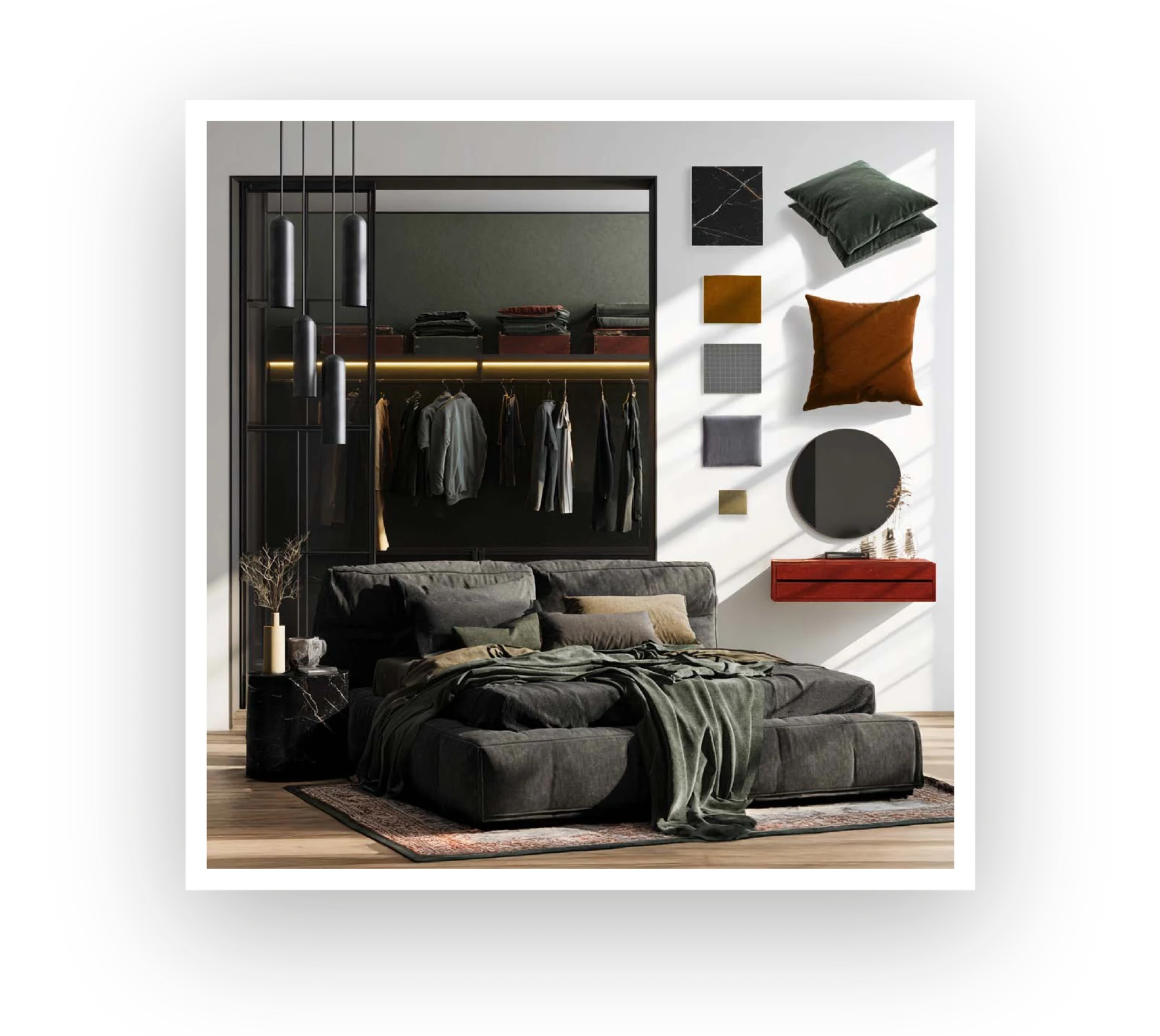
 Portfolio work · Moodboard
Understand the why.
Learn how the brief, layout, materials and light shape a space.
In a room. In a new direction.
In the work they could create.
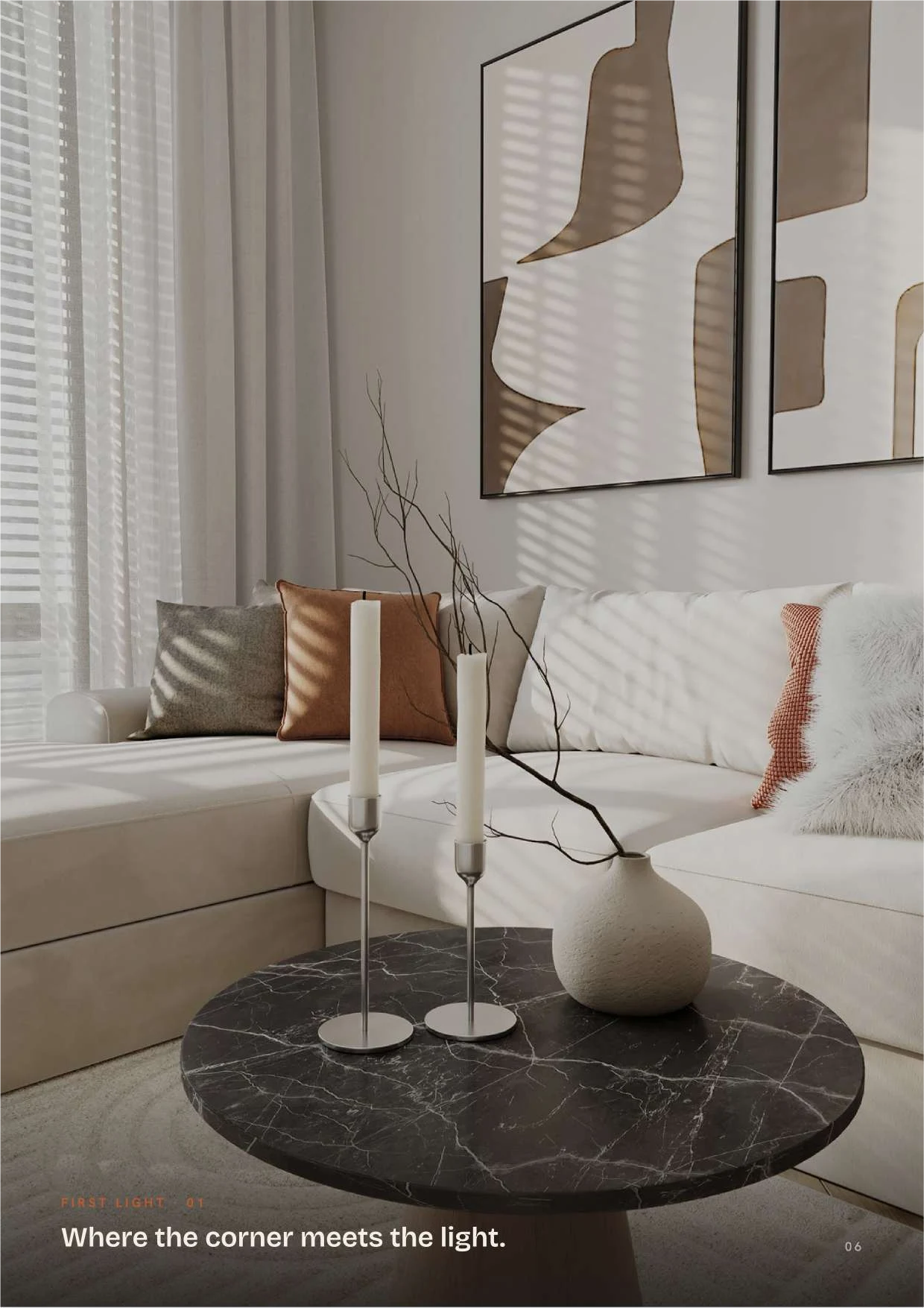 Portfolio design · First Light
We connect design education, business training and personal mentoring through the work students actually do.
“Don't let self-doubt stop you. Don't let your age stop you.”
Georgia
Mother of three · Charleston, South Carolina
Portfolio work · MoodboardLearn how the brief, layout, materials and light shape a space.
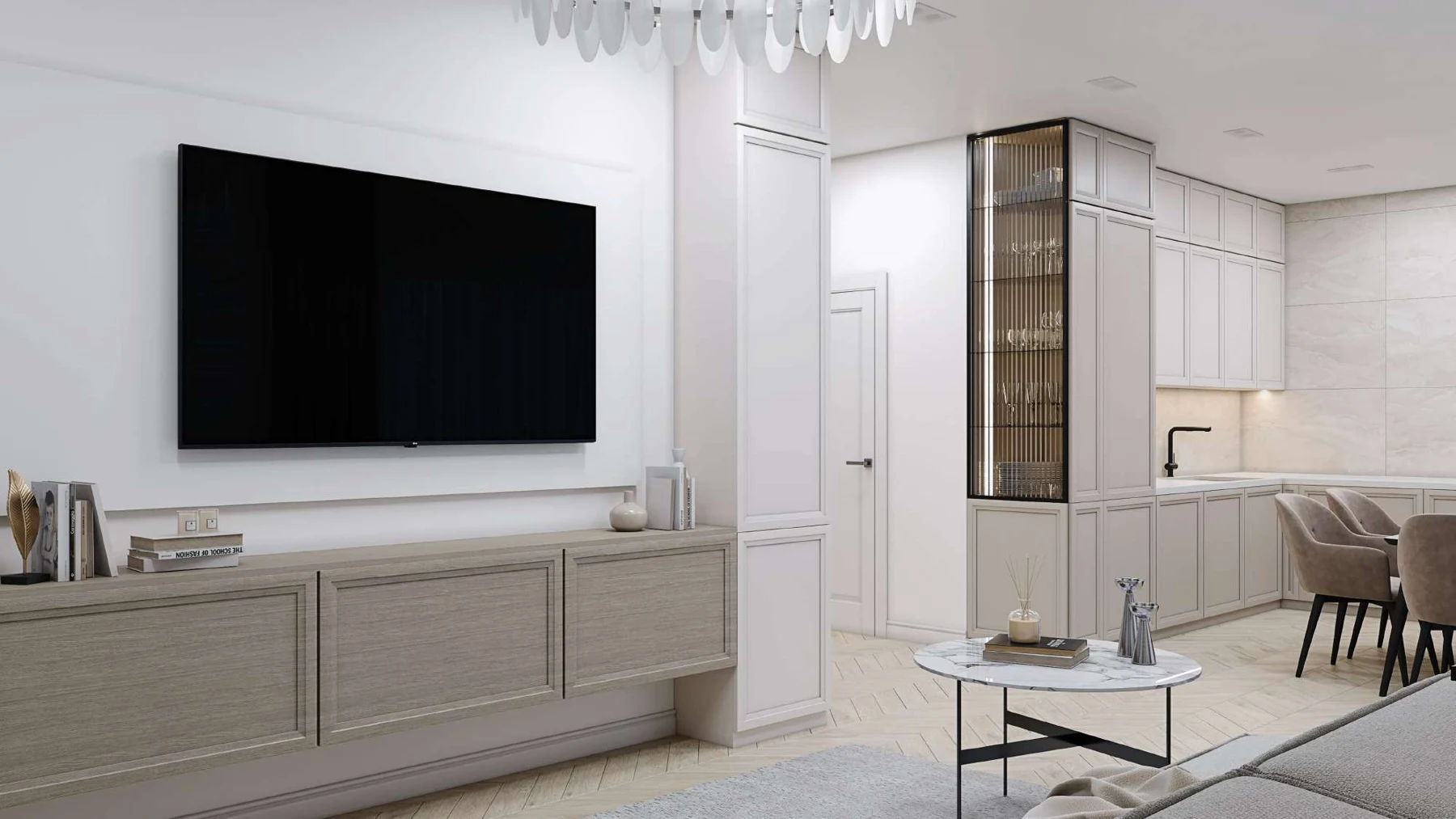 Portfolio design · Maison Marenne
Turn the principles into a proposed design, a presentation and a body of work.
Six months of personal mentoring. One private Circle channel with you and the people helping you move forward.

Bring your project, your questions and the decisions you are working through. This channel connects you with your Academy support team.
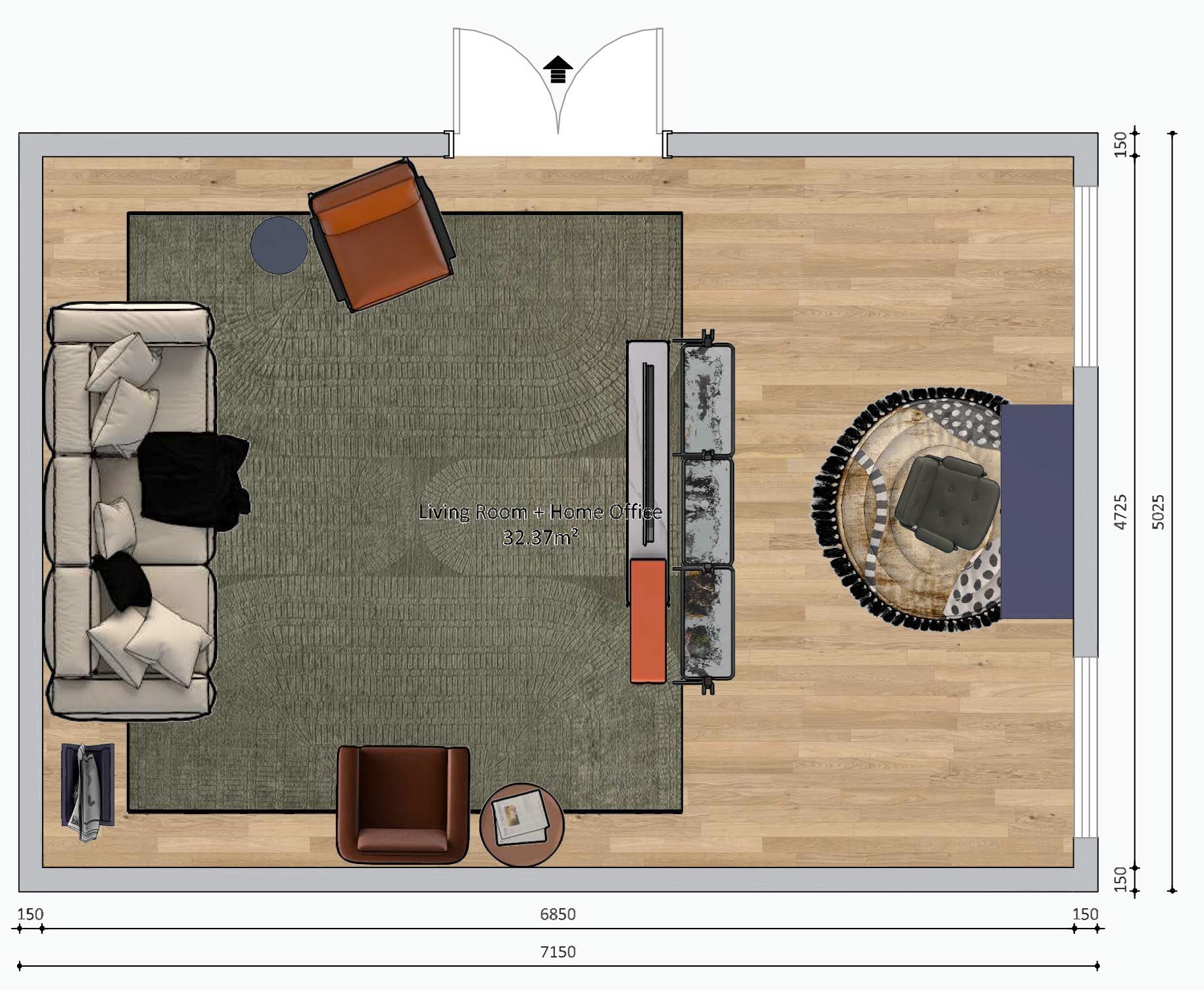
Upload a plan, a moodboard, a video or a question. Give your team the context to help you move forward.
Return to the feedback, apply it to your work and continue the conversation as your project develops.
A point of contact for your learning journey, from your first steps to the priorities in front of you.
Get oriented, set your goals and turn the learning path into practical priorities.
Work through questions about your progress and coordinate the support you need.
Bring the design decisions you’re unsure about, and get specific feedback you can use.
Discuss your brief, layout, materials, lighting and the way the choices fit together.
Refine project work and build a portfolio that communicates your thinking clearly.
Connect your design ability with a clear service, a considered offer and a plan for reaching clients.
Work on your positioning, services, scope and pricing, with your goals in mind.
Get guidance on marketing, sales conversations and the systems around your service.
Get help with platform access and the practical tools that support your learning and implementation.
Ask for help navigating the Academy, accessing lessons and sharing your work.
Work through technical or implementation questions so you can return to the task in front of you.
Your questions, images, videos and project files—all in one conversation.
Our response standard is within 24 hours in your private Circle channel. If a question remains unresolved, ask your Success Manager to coordinate the next step.
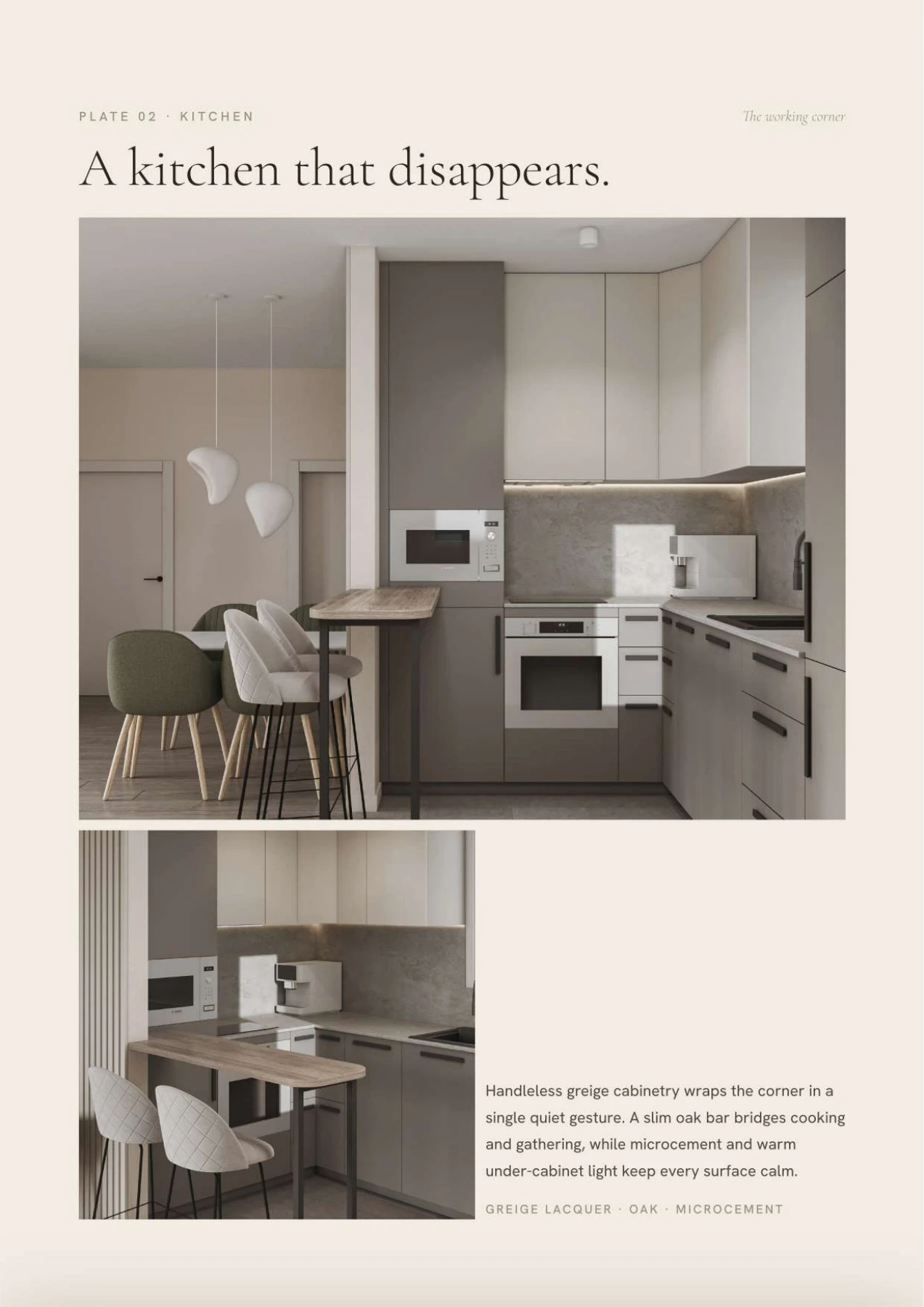 Selected portfolio presentation
Explore student project presentations, an actual review and the resources used inside the program.
Look inside the AcademyFounded by Amelia Fenmore.
Operated by Helios Marketing LLC.
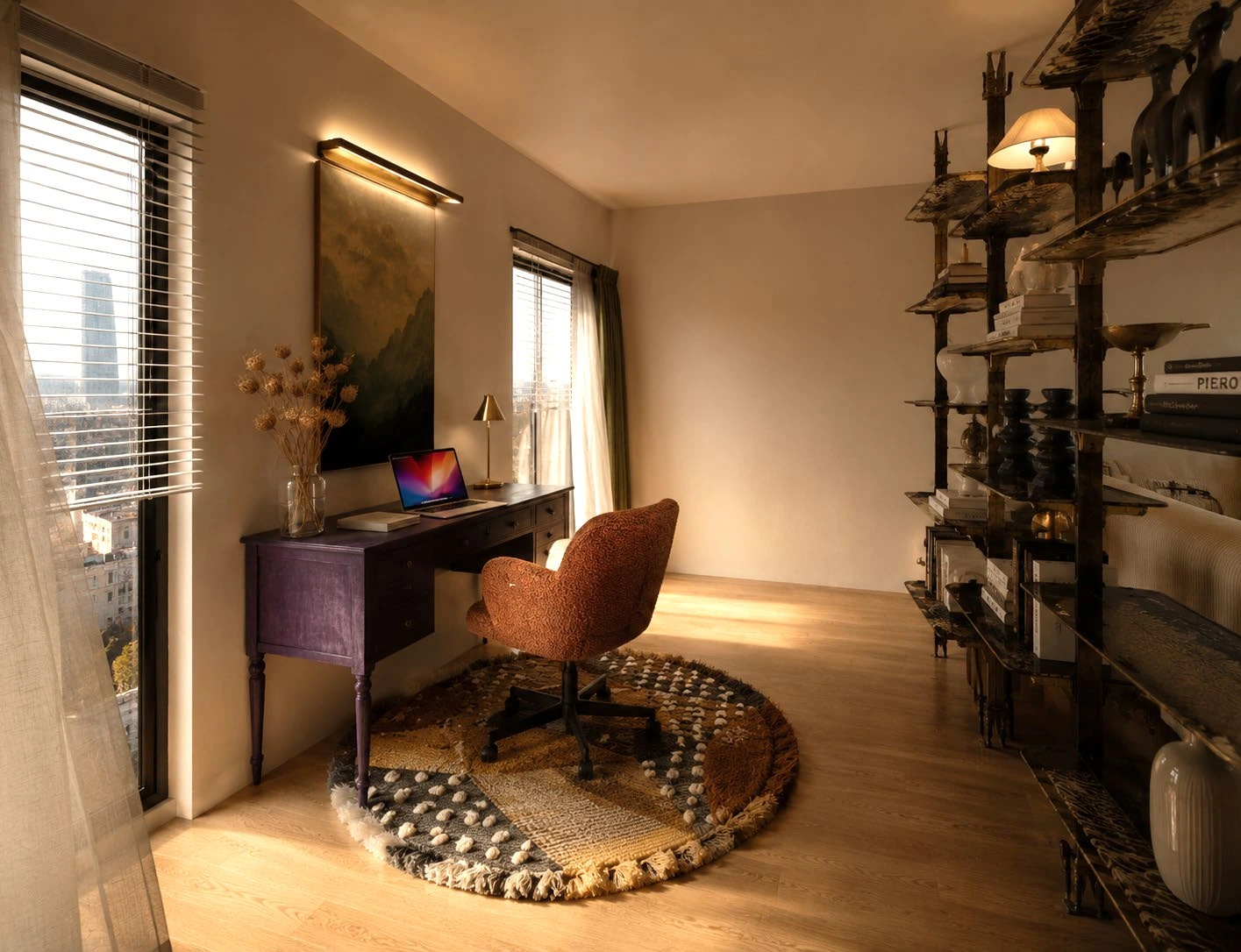 Student portfolio · Interior design
Bring your curiosity. Bring your questions.
Let’s see where you could take them.
Selected pages from a supplied student portfolio assignment. These communicate design thinking and visualisation, rather than documenting a completed physical commission.
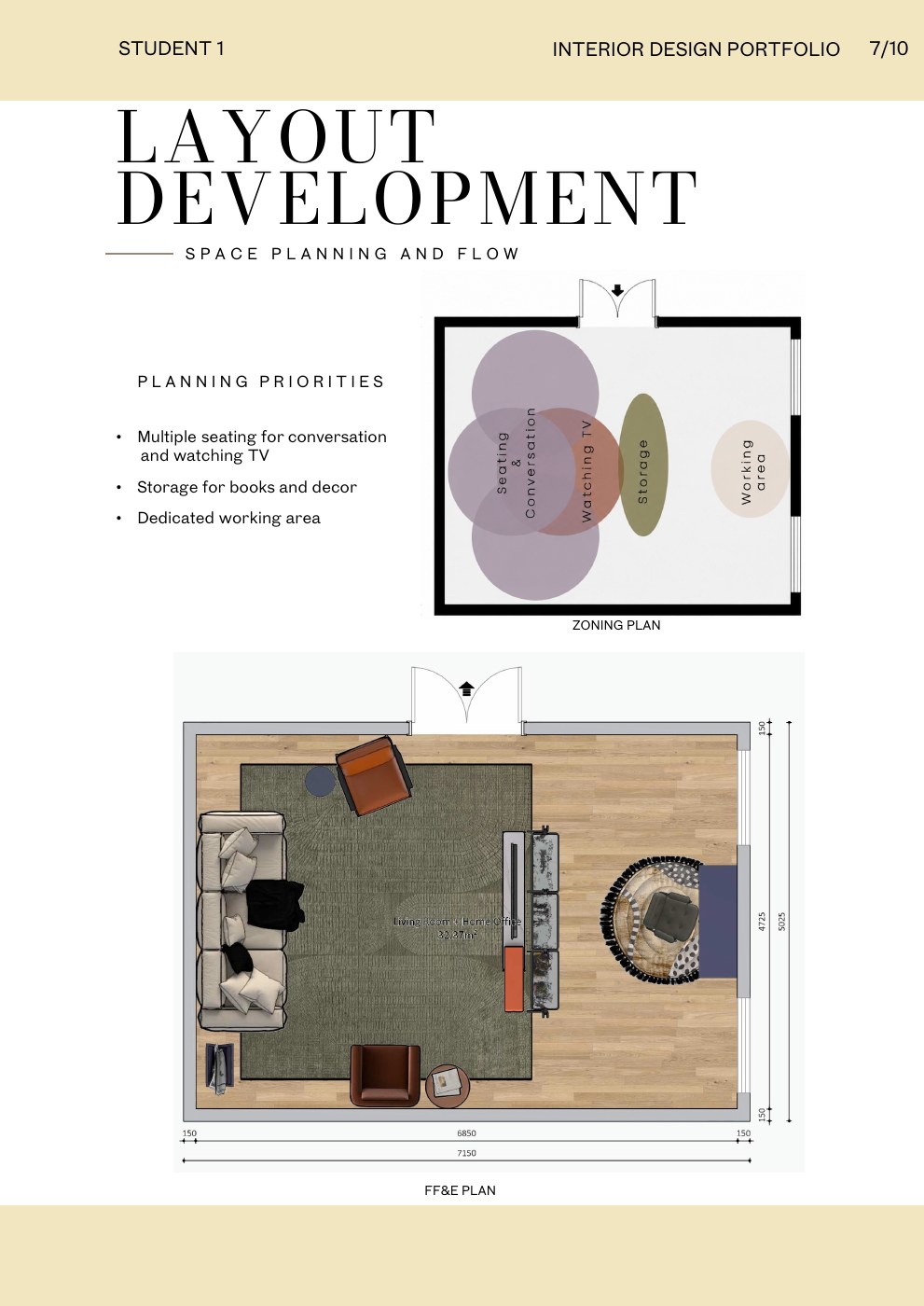
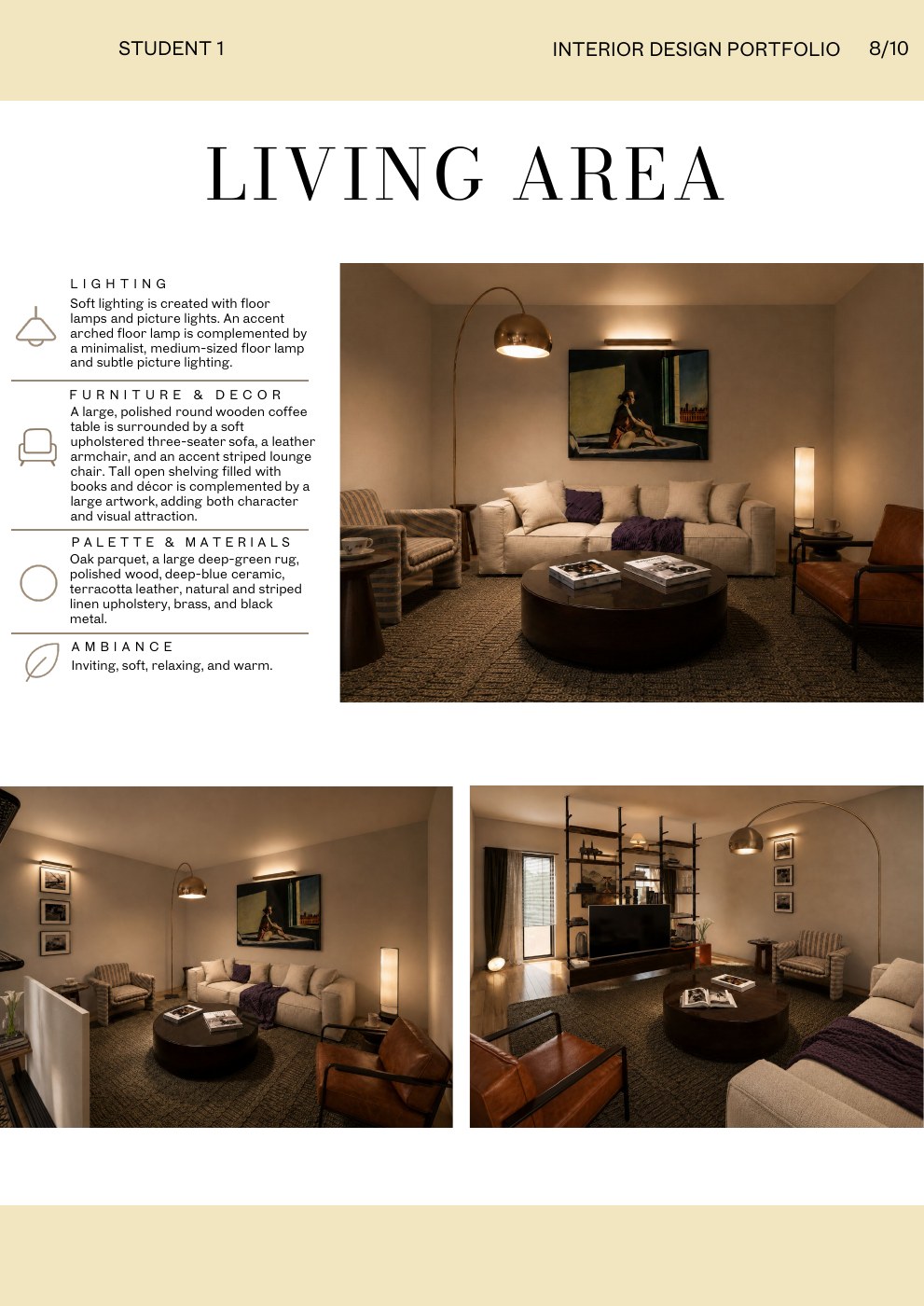
A written response to an interior design styles assignment, transcribed from the supplied Academy conversation.
“Great work! Balanced and neat! 👏 I would recommend adding a side table and window treatment options to cover the main required furniture and decor requests.”
The reviewer acknowledges the work and identifies specific additions for the student to consider.
Personal details are omitted. This feedback comes from a separate assignment.
An actual Academy student resource for working through design-project pricing. This is a view of the Academy’s pricing resource.
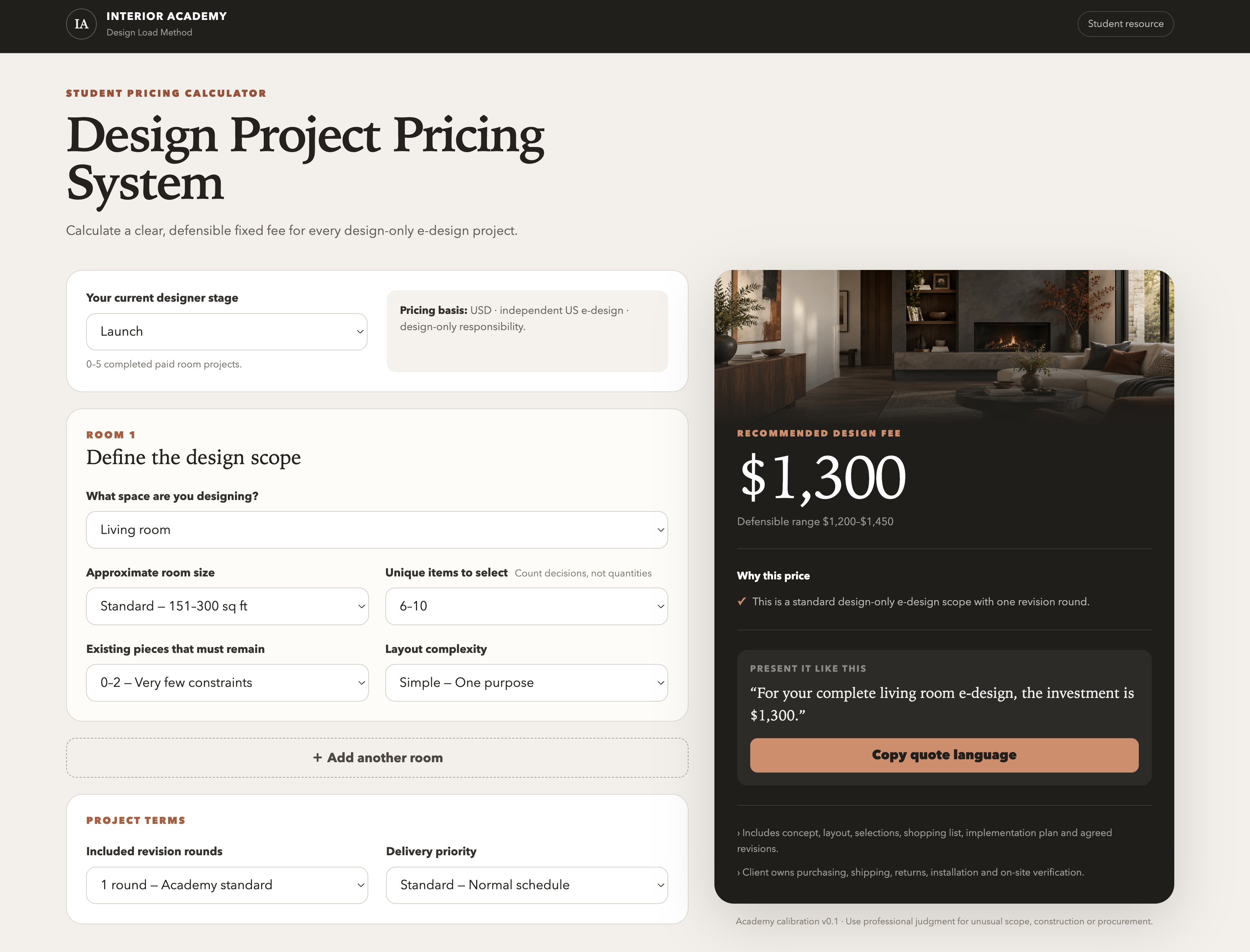
The figures shown are calculator examples, not student earnings, promised client fees or independent market-price evidence.
The supplied message accompanies an interior design styles assignment.
“Interior Design Styles Assignment. I love Milanote, have never used before but it is a wonderful new tool!”
This comment describes the student’s experience using Milanote. It is not presented as a comprehensive review of the program or a financial outcome.
Six months of private mentoring to help you apply what you learn to your designs and your business.
Share your work and questions in your private Circle channel, from room layouts and material choices to positioning and pricing.
Your mentors can respond with written feedback, a personalised video review, or arrange a one-to-one call to work it through.
Use the feedback to refine your work and come back with the next question. You stay involved in the decisions and implementation.
Personal onboarding and a business strategy session are included. Further individual calls are arranged around your needs and progress.
No design degree, portfolio or previous paying clients are required to start.
Follow the foundations, provided briefs and guided project.
Combine self-paced lessons with practical work. Plan around 6–12 focused hours each week.
Strengthen your process, portfolio or the business systems around your practice.
The Academy provides education and guidance. Students remain responsible for study, practical work, implementation and professional decisions.
A closer look at this part of the learning path.
Understand residential interiors and the eDesign process. Develop your eye for colour, pattern, texture, scale, proportion, balance and contrast.
The stages describe a learning path, not fixed weekly deadlines. Progress depends on your starting point and the work you put in.
A closer look at this part of the learning path.
Work through a realistic residential project, from client information to the final delivery package.
The stages describe a learning path, not fixed weekly deadlines. Progress depends on your starting point and the work you put in.
A closer look at this part of the learning path.
Apply the methodology to additional residential briefs, including a one-bedroom apartment, a two-bedroom apartment and a detached-house scenario.
Learn to present the project challenge, design decisions and proposed solution in a professional portfolio. Experienced students may discuss applying the approach to their own projects.
The stages describe a learning path, not fixed weekly deadlines. Progress depends on your starting point and the work you put in.
A closer look at this part of the learning path.
Understand the market, develop your positioning and shape your design services.
Practise client conversations and build the systems that support them.
Advertising and other business expenses are separate from tuition.
Develop the routines, priorities and consistent working habits that support your learning and business implementation.
The focus is on putting the training into practice over time.
The stages describe a learning path, not fixed weekly deadlines. Progress depends on your starting point and the work you put in.